Blog
Rotary Printing Machines for Consistent Textile and Product Branding
By Ramana Machines · August 5, 2026
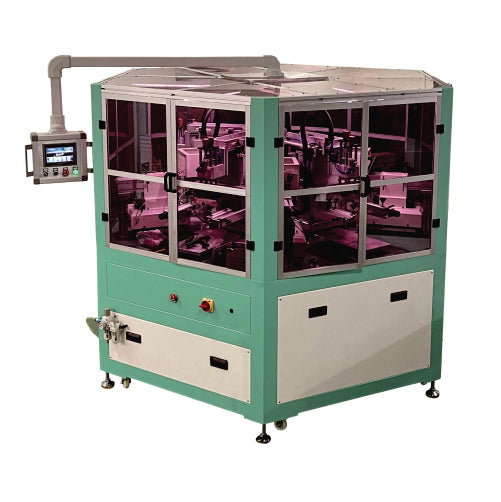
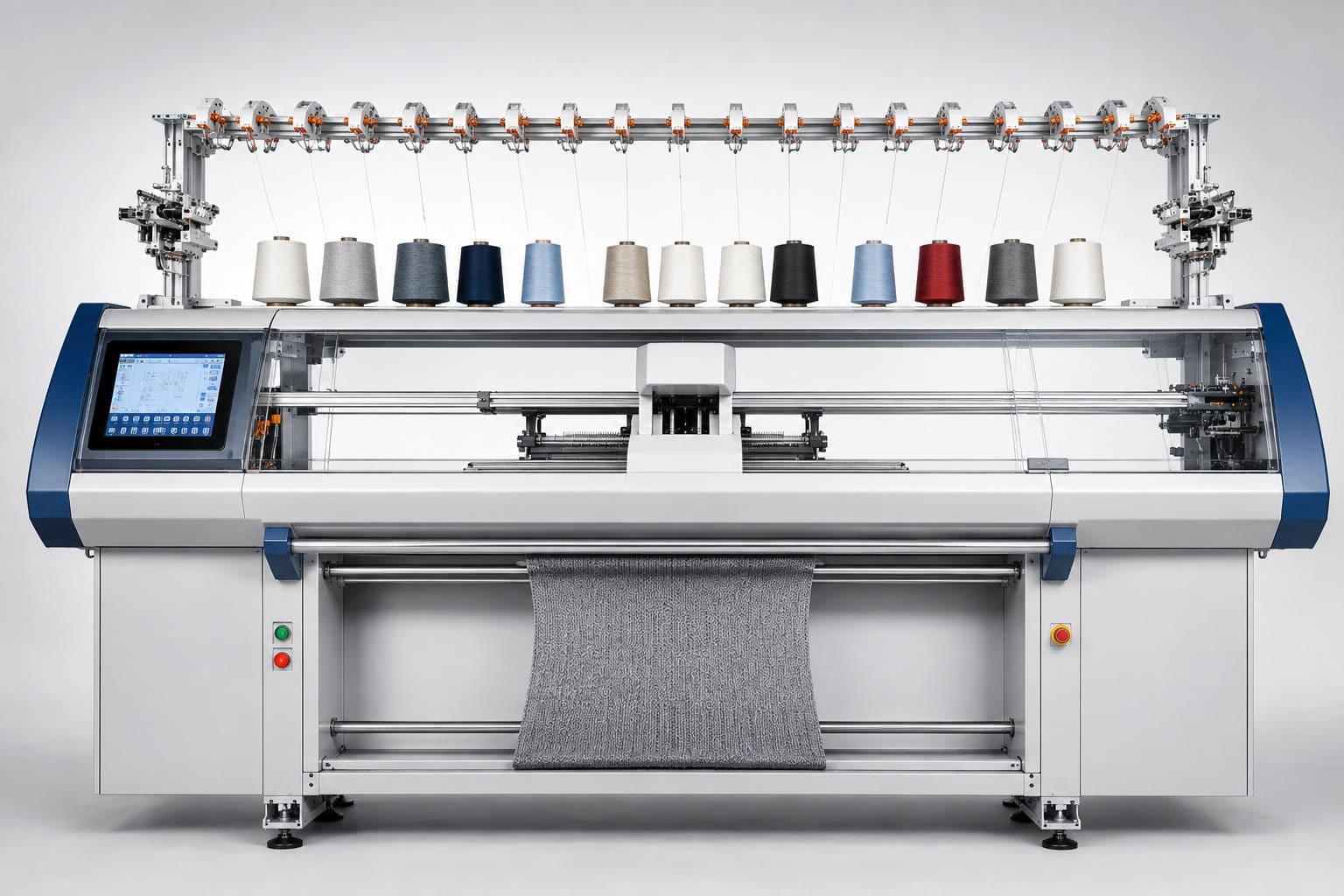
See how rotary printing machines help manufacturers deliver repeatable multi-color prints for textiles and related industrial products.
Rotary Printing Machines for Consistent Textile and Product Branding
RAMANA MACHINES | Rotary Printing Machines are high-performance industrial printing systems designed for continuous and consistent printing on textiles and other suitable materials. These machines use cylindrical rotary screens or printing cylinders to apply dyes, inks, or coatings onto fabric at high production speeds.
Rotary printing technology is widely used in the textile, garment, home furnishing, fashion, and industrial printing industries. It enables manufacturers to produce detailed patterns, repeated designs, logos, decorative motifs, and branded prints with excellent consistency across large quantities of material.
For manufacturers handling high-volume production, rotary printing machines offer an effective combination of speed, accuracy, repeatability, and production efficiency.
What Is a Rotary Printing Machine?
A rotary printing machine is an automated printing system in which cylindrical screens rotate continuously while fabric moves through the machine. The printing paste or ink is transferred through the engraved or perforated areas of the rotary screen onto the fabric.
Depending on the machine configuration, multiple printing stations can be installed to print different colors or design elements during the same production process.
Modern rotary printing machines may include computerized controls, automatic fabric alignment, electronic registration systems, automatic paste supply, drying systems, and other features designed to improve production consistency.
How Does a Rotary Printing Machine Work?
The rotary printing process generally follows several stages:
1. Fabric Preparation
The fabric is prepared and inspected before entering the printing line. Proper preparation helps achieve uniform ink or dye absorption and improves print quality.
2. Fabric Feeding
The fabric is continuously fed into the printing machine through a controlled feeding system.
3. Printing
Rotating cylindrical screens apply the selected colors, patterns, or designs onto the fabric. Each screen can correspond to a particular color or part of the design.
4. Color Registration
The machine maintains accurate alignment between different colors. Proper registration is essential for producing sharp and well-defined patterns.
5. Drying or Curing
After printing, the fabric passes through appropriate drying or curing equipment depending on the printing chemistry and fabric type.
6. Finishing
The printed material may undergo additional finishing, washing, heat-setting, or other processes depending on the final product requirements.
Major Features of Rotary Printing Machines
Modern rotary printing machines are designed to provide high productivity and consistent output.
High-Speed Continuous Printing
Rotary printing allows fabric to move continuously through multiple printing stations, making it suitable for large production volumes.
Consistent Pattern Repetition
The rotary screen system provides repeatable patterns over long lengths of fabric.
Multi-Color Printing
Multiple printing units can be configured for different colors, allowing manufacturers to create complex and attractive designs.
Accurate Registration
Advanced machines provide precise alignment between colors, helping maintain print quality throughout production.
Automated Controls
Computerized controls can monitor important operating parameters such as printing speed, fabric movement, registration, and other production settings.
Reduced Manual Intervention
Automation can reduce repetitive manual operations and improve production consistency.
Applications of Rotary Printing Machines
Rotary printing technology is used in many textile and product branding applications.
Textile Printing
Rotary printing machines are commonly used to print designs on:
- Cotton fabrics
- Polyester fabrics
- Blended fabrics
- Viscose fabrics
- Synthetic textiles
- Home furnishing fabrics
- Fashion fabrics
- Apparel materials
The machine can produce floral, geometric, abstract, traditional, decorative, and customized patterns.
Home Furnishing
Printed fabrics are widely used in:
- Curtains
- Bed covers
- Cushion covers
- Upholstery fabrics
- Table covers
- Decorative textiles
- Home décor products
Rotary printing provides the production speed required for large quantities of home furnishing fabrics.
Fashion and Garments
Fashion manufacturers use printed fabrics for shirts, dresses, skirts, scarves, children's wear, and other garments.
Manufacturers can produce repeated patterns, seasonal designs, and customized fashion prints according to market demand.
Product Branding
Rotary printing can also support branding applications where suitable substrates and inks are used. Businesses can incorporate logos, patterns, brand graphics, decorative elements, and identification designs into their products or materials.
Benefits of Rotary Printing Machines
1. High Production Capacity
Continuous printing makes rotary systems suitable for large-scale textile production.
2. Uniform Print Quality
The controlled rotary printing process helps maintain consistent print appearance across long fabric lengths.
3. Excellent Pattern Repeat
Rotary screens can reproduce the same design repeatedly, making them suitable for mass production.
4. Multi-Color Capability
Multiple printing stations allow manufacturers to create detailed multi-color designs.
5. Improved Productivity
Automation and continuous operation can increase output while reducing repetitive manual activities.
6. Better Registration Accuracy
Precise color registration helps produce sharp designs and reduces defects caused by misalignment.
7. Suitable for Large Production Runs
Rotary printing becomes particularly useful when the same design needs to be produced in large quantities.
Rotary Printing vs Other Textile Printing Methods
Different printing technologies are suitable for different production requirements.
| Feature | Rotary Printing | Screen Printing | Digital Textile Printing |
|---|---|---|---|
| Production speed | High | Medium | Medium |
| Large-volume production | Excellent | Good | Good |
| Design flexibility | High | High | Very high |
| Repeat patterns | Excellent | Good | Excellent |
| Setup requirement | Higher | Medium | Lower |
| Suitable for mass production | Excellent | Good | Depends on application |
| Multiple colors | Excellent | Excellent | Excellent |
Rotary printing is particularly advantageous when manufacturers need high-volume, repeatable, and consistent production.
Importance of Consistency in Textile Branding
Brand consistency is important for manufacturers producing fabrics and products for established brands or retail markets. Variations in color, registration, pattern size, or print density can affect the appearance and perceived quality of the finished product.
Rotary printing machines help manufacturers maintain consistent parameters throughout long production runs. This is particularly valuable for:
- Branded textiles
- Fashion collections
- Hotel textiles
- Home furnishing products
- Uniform fabrics
- Promotional textile products
- Private-label manufacturing
Consistent printing can help manufacturers maintain a recognizable visual identity across different production batches.
Choosing the Right Rotary Printing Machine
Before purchasing a rotary printing machine, manufacturers should evaluate several technical and production factors.
Fabric Type
Determine which natural, synthetic, or blended fabrics will be printed.
Printing Width
Select the machine width according to the required fabric width and production range.
Number of Colors
The required number of printing stations depends on the complexity of the designs and color combinations.
Production Speed
Machine speed should match the required production volume and quality requirements.
Screen Diameter and Repeat
The rotary screen dimensions influence the repeat size of the printed design.
Automation
Computerized registration, automatic controls, paste management, and monitoring systems can improve productivity and consistency.
Maintenance and Support
Availability of spare parts, technical service, operator training, and after-sales support should also be considered.
Maintenance of Rotary Printing Machines
Regular maintenance is essential for reliable operation and consistent print quality.
Important maintenance activities include:
- Cleaning rotary screens
- Inspecting printing units
- Checking registration systems
- Inspecting rollers and bearings
- Maintaining paste or ink supply systems
- Checking sensors and control systems
- Lubricating mechanical components
- Inspecting fabric feeding systems
- Checking drying and curing equipment
Preventive maintenance helps reduce unexpected breakdowns and supports stable production.
Future of Rotary Textile Printing
The textile printing industry is increasingly adopting automation, computerized controls, production monitoring, and improved process management. Modern rotary printing systems are becoming more efficient and easier to integrate into automated production environments.
Manufacturers are also focusing on better resource utilization, reduced waste, improved color consistency, and more efficient production processes.
While digital textile printing is gaining popularity for short runs and highly customized designs, rotary printing remains an important technology for manufacturers requiring high-volume, repeatable, and economical textile printing.
Conclusion
Rotary Printing Machines for Consistent Textile and Product Branding provide an efficient solution for high-volume continuous printing applications. Their ability to produce repeated designs, multiple colors, accurate registration, and consistent print quality makes them valuable for textile and home furnishing manufacturers.
From fashion fabrics and home textiles to branded and decorative materials, rotary printing machines can help manufacturers increase production capacity while maintaining reliable quality.
By selecting the right machine configuration, maintaining equipment properly, and using appropriate printing processes, manufacturers can achieve higher productivity, consistent branding, reduced production interruptions, and efficient large-scale textile printing.